
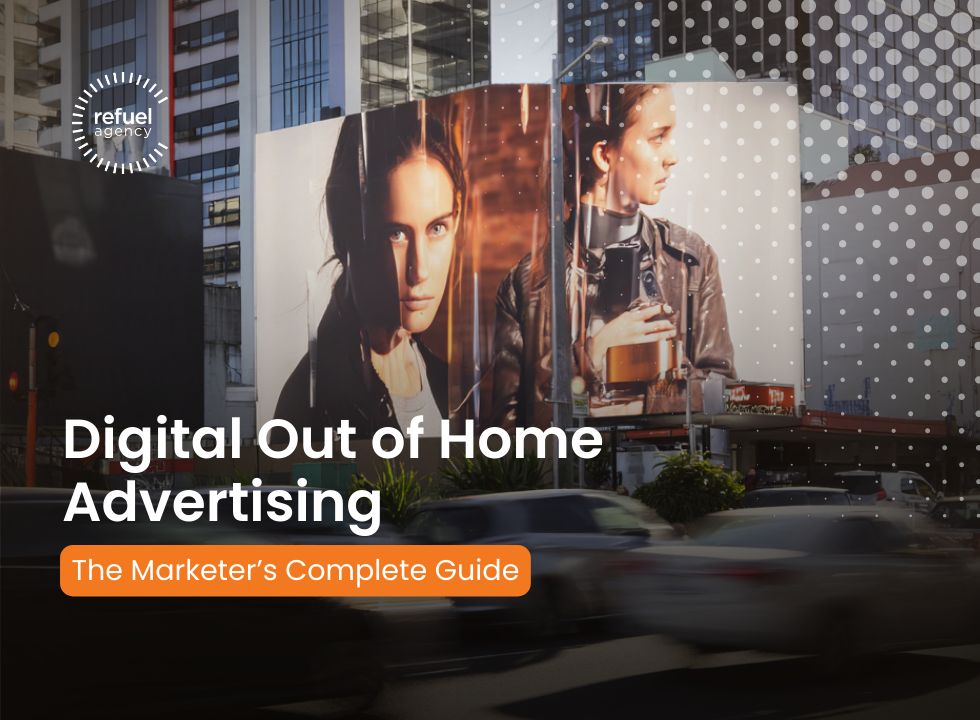
Digital Out of Home advertising (DOOH) has evolved from simple digital billboards to sophisticated, data-driven campaigns that reach consumers in the moments that matter most. As brands compete for attention in an increasingly fragmented media landscape, DOOH offers a powerful combination of traditional out-of-home impact with digital precision and flexibility.
Whether you’re a marketer looking to reach college students on campus, military audiences on bases, Gen Z consumers at retail locations, or multicultural communities in their neighborhoods, understanding how to leverage DOOH effectively can transform your campaign results. This comprehensive guide will explore everything you need to know about digital out of home advertising in 2026; from market trends and measurement strategies to best practices for reaching America’s most valuable niche audiences.
What is Digital Out of Home Advertising?
Digital Out of Home advertising refers to digital media displayed in public spaces outside the home. Unlike traditional static billboards or posters, DOOH utilizes digital screens and displays to deliver dynamic, targeted advertising messages that can be updated in real-time.
DOOH encompasses a wide range of formats and placements, including:
- Digital billboards along highways and major roadways
- Transit advertising on buses, subway stations, and airports
- Place-based screens in retail stores, shopping malls, gyms, and restaurants
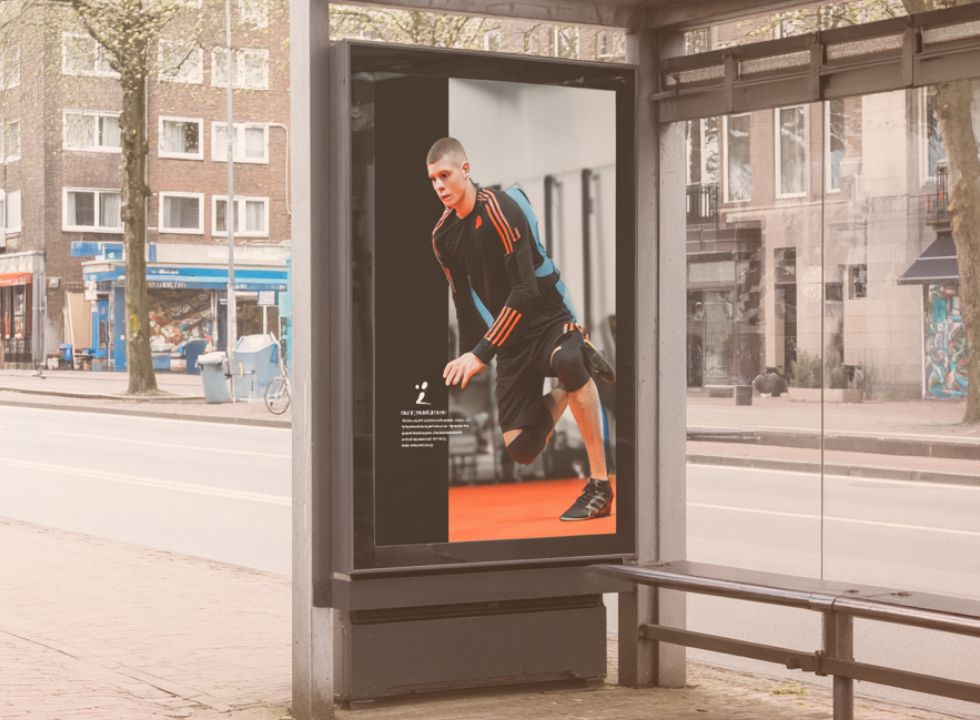
- Street furniture such as digital bus shelters and kiosks
- On-campus digital displays at colleges and universities
- On-base media at military installations
- Venue-based screens at sports arenas, movie theaters, and entertainment venues
What sets DOOH apart from traditional OOH is its ability to display multiple creative executions, adapt messaging based on time of day or external triggers like weather, and integrate with broader digital marketing strategies according to industry analysis.
The Digital Out of Home Market in 2026
The DOOH industry is experiencing explosive growth, with market dynamics that make it one of the most attractive advertising channels for brands and agencies.
Market Size and Growth Projections
The global digital out of home advertising market was valued at $20.17 billion in 2025 and is projected to grow from $22.51 billion in 2026 to $56.1 billion by 2034, representing a compound annual growth rate (CAGR) of 12.09% according to Fortune Business Insights. North America dominates the market with a 33.64% share in 2025, valued at $6.78 billion and projected to reach $7.4 billion in 2026.
Digital’s share of total out-of-home ad spending continues to climb dramatically. By 2028, DOOH will account for 45.2% of total OOH ad spending, up from just 22.0% in 2016 according to eMarketer’s OOH forecast. This rapid adoption reflects advertisers’ recognition that DOOH offers superior flexibility, measurement capabilities, and targeting precision compared to traditional static formats.
Programmatic DOOH: The Future is Automated
Programmatic digital out of home (pDOOH) represents the next evolution of the channel, enabling automated buying, real-time optimization, and advanced targeting capabilities. By 2026, automation has become the standard rather than the exception, with brands expecting to launch campaigns quickly, optimize budgets based on performance, and adjust variables such as frequency, time slots, and locations in real-time according to Taggify’s 2026 pDOOH trends report.
The U.S. programmatic DOOH market alone is valued at approximately $2.2 billion, driven by automation in campaign planning, advanced targeting, and real-time data analytics according to Ken Research. Major metropolitan areas are leading adoption, with retail and consumer goods sectors representing the largest user segment.
Key Drivers of DOOH Growth
Several factors are fueling the continued expansion of digital out of home advertising:
- Shifting consumer mobility patterns as people return to offices, campuses, and public spaces post-pandemic
- Urban infrastructure upgrades that include digital screen installations in transportation hubs, retail centers, and public venues
- Technology convergence enabling integration with mobile, social, and other digital channels
- Enhanced measurement capabilities providing transparency and accountability that rival digital channels
- Creative flexibility allowing dynamic content that responds to context, weather, time, or audience demographics
Why Digital Out of Home Works: The Unique Advantages
DOOH offers several compelling advantages that make it an essential component of modern media strategies, particularly when reaching niche audiences.

Cuts Through Digital Ad Fatigue
While consumers face overwhelming volumes of digital advertising online—leading to banner blindness, ad-blocking, and declining attention—DOOH provides a less cluttered environment. Research shows that certain audiences, particularly Gen Z, actually find OOH advertising more relaxing compared to the constant barrage of digital ads on their devices according to Refuel Agency’s proprietary Teen Explorer research.
High-Impact Visual Presence
DOOH combines the large-format, unavoidable nature of traditional OOH with the motion, color, and creativity of digital media. This creates high-impact brand moments that are difficult to ignore and highly memorable.
Contextual Relevance
Digital out of home advertising reaches consumers in relevant contexts—commuting to work, shopping at retail locations, dining out, exercising at gyms, or studying on campus. This contextual relevance increases message receptivity and drives action when consumers are close to the point of purchase.
Integration with Mobile and Digital
DOOH serves as a powerful complement to mobile and digital strategies. Campaigns can use geo-fencing to target mobile devices near DOOH placements, retarget consumers who passed by screens, or drive traffic to websites and apps through QR codes and custom URLs according to measurement best practices.
Real-Time Flexibility
Unlike traditional OOH that requires weeks of lead time and physical production, DOOH creative can be updated instantly. Brands can respond to current events, adjust messaging based on campaign performance, or tailor content to local conditions and audiences, as highlighted by Perion’s analysis of pDOOH benefits.
Measuring Digital Out of Home Effectiveness
One of DOOH’s strongest competitive advantages is its increasingly sophisticated measurement capabilities, which provide accountability and insights that were impossible with traditional OOH.
Core DOOH Metrics
Effective DOOH measurement encompasses several key performance indicators:
- Impressions: The number of people who have the opportunity to see a DOOH ad, calculated based on traffic data, dwell time, and screen visibility according to Admobilize’s measurement guide.
- Reach and Frequency: Using camera technology complemented by mobile data and Wi-Fi, advertisers can determine unique visitors (reach) versus repeated visitors (frequency) to each OOH location.
- Dwell Time: The average amount of time audiences spend in proximity to a DOOH screen, indicating the depth of exposure and attention as outlined in Broadsign’s DOOH metrics guide.
- Viewability: The percentage of impressions where the ad was actually viewable based on factors like screen position, viewing angles, and environmental conditions.
- Interaction Rate: For interactive DOOH, the percentage of viewers who engage with the content through touch, mobile connection, or other interactive elements.
Attribution and Conversion Tracking
Advanced DOOH measurement goes beyond exposure metrics to track actual business outcomes:
Walk-in Rate: The percentage of people who visit a physical location after seeing a DOOH ad, typically tracked via mobile location data or GPS according to Broadsign’s metrics framework.
Online Conversion Rate: The percentage of website visitors who convert (sign up, purchase) after DOOH exposure, measured through matched mobile IDs or pixel tracking.
Cross-Device Conversions: Tracking conversions on smartphones, tablets, and computers after DOOH exposure using multi-device tracking methodologies.
Sales Lift: Measuring incremental sales or revenue directly attributable to DOOH campaigns through matched-market testing or econometric modeling.
Real-Time Analytics and Optimization
Modern DOOH platforms provide real-time analytics that enable continuous campaign optimization. Advertisers can monitor performance across locations, dayparts, and creative variations, making adjustments on the fly to maximize ROI according to measurement best practices.
Digital Out of Home for Niche Audiences
While DOOH offers broad reach capabilities, its true power emerges when targeting specific high-value audiences where they live, work, learn, and play. This is where Refuel Agency’s specialized expertise delivers unmatched results.
Reaching Military Audiences Through DOOH
The U.S. military community represents 43 million consumers with $1.3 trillion in spending power according to Refuel Agency’s Military Explorer research. Reaching this audience effectively requires specialized access and cultural understanding. Refuel Agency’s Military Explorer study reveals that military audiences actively engage with on-base out-of-home media, with significant percentages taking action after exposure:
- 53% researched the product after seeing on-base OOH ads
- 49% visited a retail store
- 46% bought the product
- 42% visited the website
- 76% bought or researched the product overall
Military members and families encounter DOOH in multiple contexts:
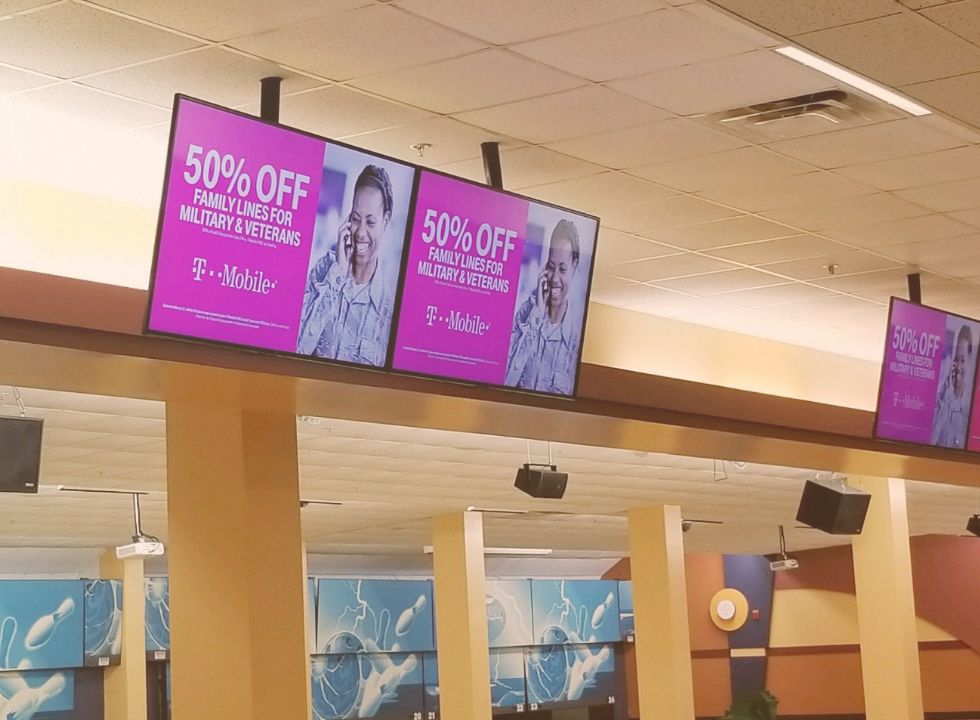
On-Base Digital Displays: Through Refuel’s Militaryscapes™ network, brands can access digital signage in high-traffic on-base facilities including fitness centers, bowling alleys, movie theaters, and commissaries. This provides exclusive access to military audiences in trusted, community-oriented environments.
Base Newspaper Racks and Transit Shelters: Digital versions of traditional media placements on and around military installations.
Community Retail and Dining: Military families over-index for visiting grocery stores, fast-food restaurants, and retail locations where DOOH can reach them during regular routines.
The key advantage: Refuel has established partnerships with over 90% of local military bases and access to 280 bases globally, providing unparalleled reach within this valuable audience.
Connecting with College Students via Campus DOOH
College students represent a $347 billion discretionary spending market according to Refuel Agency’s College Explorer research. With 66% of undergraduates spending time on campus, strategically placed DOOH delivers exceptional results.
Refuel Agency’s College Explorer study demonstrates the effectiveness of on-campus media:
- 56% researched the product after seeing on-campus media ads
- 43% visited the website
- 41% mentioned to friends/family
- 37% bought the product
- 35% visited a retail store
On-campus DOOH placements include:
- Student Unions and Dining Halls: High-traffic areas where students congregate multiple times daily, spending an average of 11.6 hours on campus per weekday.
- Recreation and Fitness Centers: Reaching health-conscious students during workout routines.
- Academic Buildings and Libraries: Capturing attention during study sessions and class transitions.
- Residence Halls: Connecting with students in their living spaces during downtime.
Refuel’s 360 Youth division provides access to digital and static signage across 12,500 college campuses nationwide, combined with 35+ years of proprietary research on how college students engage with media and brands.
Engaging Gen Z and Teens Through School-Based DOOH
America’s 29.1 million teens wield $202.8 billion in direct spending power and influence an additional $68.9 billion in household purchases according to Refuel Agency’s Teen Explorer research. DOOH reaches them in schools and youth venues where they spend significant time.
Refuel Agency’s Teen Explorer study reveals strong engagement with in-school media:
- 53% researched the product after seeing in-school media
- 42% mentioned to friends/family
- 41% visited a retail store
- 34% bought the product
In-school and youth-focused DOOH includes:
Middle and High School Campuses: Digital displays in cafeterias, hallways, and common areas across 11,000 schools and 80,000 youth venues nationwide.
Youth-Oriented Retail Locations: Apparel stores, fast-food restaurants, and entertainment venues where teens over-index.
Sports and Entertainment Venues: Reaching teens during games, concerts, and social activities.
The advantage of in-school DOOH is clear: teens are 61% more likely to research products, 83% more likely to visit retail stores, and 2.1X more likely to mention brands to friends after seeing in-school media compared to general population responses to traditional advertising.
Multicultural Audiences and Community-Based DOOH
Multicultural consumers represent 149 million Americans with distinct media consumption patterns and cultural preferences according to Refuel Agency. Effective DOOH strategies must reflect cultural nuance and reach these audiences in their communities.
Refuel Agency’s Influyente division, backed by proprietary Hispanic Explorer research, reveals that multicultural audiences place high trust in local OOH advertising:
- 34% of Hispanics pay attention to poster/billboard/outdoor advertising
- Unacculturated Hispanics are 35% more likely to engage with Hispanic media
- Bicultural Hispanics notice posters/billboards more than other segments
Influyente’s network includes over 1,000 multicultural publications and media partnerships, enabling strategic DOOH placement in C-stores, gas stations, hair/nail salons, lunch trucks, subways, buses, and transit shelters throughout multicultural communities.
Why Refuel Agency for Digital Out of Home
Refuel Agency brings unmatched capabilities to DOOH campaigns targeting niche audiences:
Proprietary Research and Insights
Refuel invests over $1 million annually in proprietary research including Military Explorer, College Explorer, Teen Explorer, and Hispanic Explorer studies that provide exclusive data on how these audiences engage with DOOH and other media.
Exclusive Media Access
Through specialized divisions (Armed Forces Communications, 360 Youth, Influyente, Thinking Cap), Refuel provides access to DOOH inventory that general agencies cannot offer:
- 90% of U.S. military bases (280 bases globally)
- 12,500 college campuses
- 11,000 middle and high schools
- Over 1,000 multicultural media partnerships
Integrated Omnichannel Approach
Refuel combines DOOH with comprehensive digital strategies (display, native, video, streaming, social, email, geo-fencing, paid search) and experiential marketing to create truly integrated campaigns that maximize impact according to our omnichannel solutions.
Proven Performance
With over 35 years of experience, relationships with nearly half of Fortune 500 companies, and partnerships with most top 100 ad agencies, Refuel delivers consistent 9-10% year-over-year growth with 27-29% margins.
Cultural Expertise
Refuel’s teams bring authentic understanding of military culture, college life, Gen Z behaviors, and multicultural nuances—ensuring campaigns resonate rather than alienate.
Frequently Asked Questions About Digital Out of Home
What is the difference between OOH and DOOH advertising?
Traditional OOH (out of home) refers to static advertising displays like printed billboards, posters, and transit ads. DOOH (digital out of home) uses digital screens that can display multiple ads, change creative in real-time, and integrate with data and technology for targeting and measurement. DOOH offers greater flexibility, dynamic creative options, and better measurement capabilities than traditional OOH.
How much does digital out of home advertising cost?
DOOH costs vary significantly based on market size, location type, screen size, and campaign duration. CPMs typically range from $3-$20, with premium locations commanding higher rates. Programmatic DOOH often requires minimum spends of $5,000-$10,000 per campaign, while direct buys through specialized networks can accommodate various budget levels. Niche-audience networks like Refuel’s on-campus or on-base placements offer efficient reach within specific segments.
Can digital out of home advertising be targeted to specific audiences?
Yes, DOOH can be targeted through several methods: geographic/location-based targeting, daypart/time-based targeting, demographic targeting (using mobile data and audience profiles), behavioral targeting (based on foot traffic patterns), and programmatic targeting that layers multiple data signals. Specialized networks like Refuel’s provide inherent audience targeting by placing DOOH where specific audiences congregate (military bases, college campuses, schools, multicultural communities).
How do you measure the effectiveness of DOOH campaigns?
DOOH effectiveness is measured through multiple methodologies: impression metrics (based on traffic and dwell time data), reach and frequency analysis (using camera, mobile, and WiFi data), conversion tracking (via mobile IDs tracking subsequent actions), attribution studies (comparing exposed vs. unexposed audiences), website traffic and search lift analysis, store visit measurement (using location data), and sales lift studies. Advanced platforms provide real-time dashboards showing performance across all these metrics.
What are the best locations for digital out of home advertising?
The best DOOH locations depend on your target audience and campaign objectives. High-traffic roadside locations build broad reach. Transit hubs (airports, subway stations, bus shelters) offer captive audiences with long dwell times. Retail environments reach shoppers near purchase decisions. Niche locations like college campuses, military bases, gyms, or office buildings provide concentrated access to specific audiences. Place-based networks in venues like movie theaters, bars, or convenience stores offer contextual relevance.
How does programmatic DOOH buying work?
Programmatic DOOH automates the buying process through demand-side platforms (DSPs) that connect to supply-side platforms (SSPs) controlling DOOH inventory. Advertisers set targeting parameters, creative, budgets, and KPIs, then the system automatically bids on available impressions in real-time or through programmatic guaranteed deals. Campaigns can be adjusted continuously based on performance, with creative optimized for different contexts, audiences, and times. This provides efficiency, transparency, and flexibility compared to traditional direct buying.
Can digital out of home integrate with mobile advertising campaigns?
Yes, DOOH-mobile integration is one of the channel’s strongest capabilities. Strategies include geo-fencing DOOH locations to serve mobile ads to nearby devices, retargeting people exposed to DOOH with subsequent mobile ads, using mobile attribution to measure DOOH’s impact on mobile actions, displaying coordinated creative across DOOH and mobile channels, and using QR codes or custom URLs on DOOH to drive mobile engagement. This integration creates powerful omnichannel experiences that drive higher conversion rates.
What creative specifications should I use for DOOH campaigns?
DOOH creative specs vary by network and screen type, but general guidelines include high-resolution files (typically 1920×1080 or higher), H.264 video codecs for motion content, 10-15 second spots for most placements, bold readable fonts (minimum 100pt for headlines), high contrast ratios, and simple clear messaging. Always request specific specs from your DOOH provider, and consider creating multiple versions optimized for different screen sizes and orientations (landscape vs. portrait).
Get Started with Digital Out of Home at Refuel Agency
Digital out of home advertising represents a powerful opportunity to reach your target audiences with high-impact, measurable campaigns that drive real business results. Whether you’re looking to connect with military families, college students, Gen Z teens, or multicultural communities, the combination of strategic DOOH placement and integrated digital tactics creates synergistic campaigns that maximize ROI.
At Refuel Agency, we’ve spent 35+ years perfecting the art and science of reaching niche audiences through data-driven, culturally informed campaigns. Our proprietary research, exclusive media access, and omnichannel expertise position us as the strategic partner of choice for brands and agencies seeking to refuel their marketing with precision and impact.
Ready to explore how digital out of home can transform your next campaign?
to speak with our DOOH experts about your specific needs, audiences, and objectives. Let’s build a campaign that breaks through the noise and delivers measurable results.
for more insights on reaching military, college, teen, and multicultural audiences through innovative media strategies.
Explore our omnichannel solutions
to discover the full range of digital, OOH, experiential, and social tactics we deploy for client success.
