
The Hispanic market isn’t a niche—it’s a cultural and economic force reshaping the U.S. consumer landscape. With 66 million consumers and over $2 trillion in buying power (Claritas), this community is setting trends, driving innovation, and influencing the mainstream like never before.
Yet many brands still approach Hispanic marketing as an afterthought, relying on literal translations or one-off cultural nods that miss the mark. The campaigns that rise above—those we’ll explore here—share something in common: they lead with cultural fluency, not just demographic targeting. They understand that connecting with Hispanic audiences means honoring heritage, reflecting lived experiences, and tapping into community values that drive trust and loyalty.

TL;DR
- “Translation is not connection.” The most successful Hispanic marketing campaigns go beyond language, tapping into generational memories, cultural nuance, and authentic emotional triggers.
- With 66 million Hispanic consumers and $1.9–$2 trillion in buying power, brands that ignore this market are leaving massive growth on the table.
- McDonald’s Dulce de Leche Frappé and MLB’s Ponle Acento show how cultural authenticity can drive both emotional connection and measurable results.
- “Community validation builds more trust than any celebrity endorsement.” Local leaders, grassroots voices, and respected community figures outperform mega-influencers in credibility.
- Mobile-first strategy isn’t about responsive design—it’s about understanding how Hispanic families actually use their devices to connect, shop, and share.
- Measure cultural authenticity alongside conversions to ensure campaigns resonate now and build lasting brand advocacy.
What Makes a Hispanic Marketing Campaign Successful
Cultural Connection Over Translation
Too many brands still believe that adding a few Spanish words to their existing ads will unlock the Hispanic market. Then they wonder why nothing changes. Translation is not connection.
Real connection happens when you understand the emotional currents that actually matter to people—what makes them feel seen, respected, and inspired. For Hispanic audiences, that often means tapping into cultural touchpoints that carry generational weight.
“Culture-first work should not be anchored in stereotypes. It should be anchored in a profound understanding of all the nuances, manifestations, and human behaviors that shape – and define – culture.” — The Drum
Example: McDonald’s Dulce de Leche Frappé campaign acknowledged regional naming differences (arequipe, manjar blanco, cajeta, fanguito, bienmesabe) to activate specific childhood memories across multiple Hispanic subgroups.
How Cultural Values Actually Transfer Between Generations
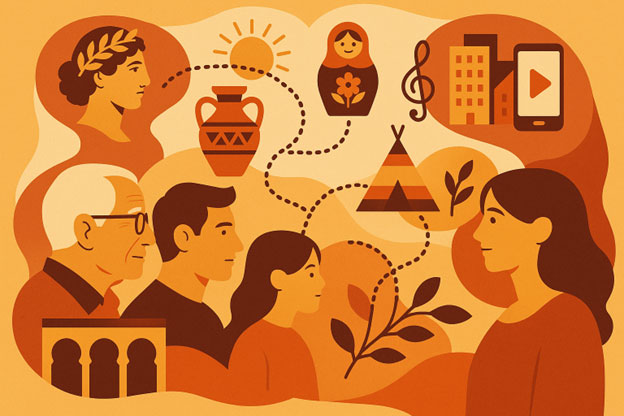
Cultural values don’t vanish with time—they evolve. Your immigrant grandfather may shop in entirely different stores than his American-born grandson, but both likely share a core priority: family.
The most successful Hispanic marketing campaigns understand this generational spectrum. They speak to the daily realities of each age group—digital-first convenience for younger consumers, trusted in-person relationships for older ones—while reinforcing the shared values that connect them. Done right, these campaigns make every family member feel represented, without diluting the brand’s cultural credibility.The Sensory Triggers That Actually Work
Certain colors, sounds, and visual elements immediately transport Hispanic audiences back to meaningful moments. I’m talking about that specific shade of green that reminds someone of their grandmother’s kitchen, or the particular rhythm in music that connects to childhood celebrations.
But here’s the catch – these aren’t random cultural elements you can just throw around. They need to be strategic choices based on understanding which experiences create genuine emotional connections versus which ones feel forced or fake. Hispanic audiences can spot inauthentic cultural triggers from a mile away.
Code-Switching: How People Actually Talk
Here’s something most brands completely miss: bilingual Hispanic consumers don’t speak two separate languages. They switch between them based on context and emotion. When brands mirror this natural communication pattern instead of forcing everything into Spanish or English, magic happens.
Understanding when to use “familia” versus “family” isn’t about translation – it’s about emotional resonance. The most effective campaigns recognize that code-switching happens naturally in Hispanic households and they reflect that reality.

People Aren’t Just One Thing
Hispanic consumers aren’t just Hispanic. They are professionals, parents, creators, and individuals with layered identities. Successful campaigns recognize these multiple dimensions instead of treating Hispanic identity as the only defining trait.
This is where Hispanic buyer personas become powerful—not just as demographic profiles, but as tools for capturing the intersection of culture, lifestyle, and personal priorities. A Cuban-American entrepreneur in Miami experiences their culture differently than a Mexican-American high school teacher in Los Angeles or a Puerto Rican artist in New York. These aren’t just geographic differences—they’re distinct cultural ecosystems with unique media habits, community structures, and brand affinities.
Regional Differences Actually Matter
The brands that succeed understand that “Hispanic marketing” is not one universal strategy—it’s dozens of tailored approaches designed for specific communities.
Major League Baseball’s Ponle Acento campaign exemplifies this. As noted in Campaign’s “Hispanic creatives share their favorite culturally relevant campaigns,” many Hispanics in the U.S. drop the accent marks from their names over time. MLB reversed that trend by adding accent marks back—on every Hispanic player’s jersey. It became a movement that visibly restored a piece of identity, resonating in unique but equally powerful ways across diverse Hispanic audiences.
Building Trust That Actually Lasts
For decades, Hispanic communities have been underserved and misrepresented by mainstream marketing. The result is a trust deficit that cannot be repaired with surface-level gestures like simply casting Hispanic actors in commercials.
Lasting credibility comes from consistent, authentic engagement—establishing relationships with community leaders, vetting creative through cultural experts, and proving commitment through actions as much as through advertising. Trust is built in the details: showing up at local events, supporting community priorities, and ensuring campaigns are grounded in cultural accuracy from the start.
Community Validation Is Everything
Within Hispanic audiences, respected local voices—community organizers, business owners, neighborhood advocates—often carry more influence than celebrities with massive followings. These figures sit at the center of existing trust networks, guiding everything from purchasing decisions to cultural conversations.
A mother who runs the local community center may influence more behavior than an Instagram personality with a million followers. The most successful Hispanic marketing campaigns understand this dynamic and partner with local influencers who may have smaller platforms but carry significant cultural capital within their specific communities. This hyper-relevant approach turns marketing into relationship-building, which is where long-term loyalty begins.

Get Your Cultural Authenticity Checked
Every element of a Hispanic marketing campaign should be evaluated for both relevance and accuracy. This isn’t about being politically correct—it’s about business effectiveness. Campaigns that feel inauthentic are quickly rejected by Hispanic audiences, who can easily tell when a brand is trying too hard or missing the mark entirely.
Here’s your cultural authenticity checklist:
- Does the language feel natural, not overly translated or forced?
- Do visual elements reflect genuine cultural experiences, not stereotypes?
- Does the music align with authentic cultural preferences?
- Are family dynamics portrayed in ways that feel accurate and relatable?
- Are regional differences acknowledged rather than treating all Hispanics as the same?
- Were Hispanic cultural experts involved in developing the campaign?
- Was the campaign tested with diverse Hispanic focus groups across generations?
Be Transparent About Your Commitment
Brands that skip these steps often make the same avoidable errors—particularly during high-visibility moments. In fact, many Hispanic Heritage Month marketing mistakes stem from campaigns that prioritize speed or symbolism over substance.
Inside the Most Successful Hispanic Marketing Campaigns
1. McDonald’s – Dulce de Leche Frappé
- Principle: Cultural memory + regional nuance
- What They Did: Recognized that the same dessert is known by multiple names—arequipe, manjar blanco, cajeta, fanguito, bienmesabe—across different Hispanic communities.
- Why It Worked: Activated deeply personal childhood memories for multiple subgroups, rather than forcing a single term. This showed cultural fluency and respect for diversity within the market.
2. Major League Baseball – Ponle Acento
- Principle: Identity restoration + cultural pride
- What They Did: Added accent marks to every Hispanic player’s jersey to address how many Hispanics drop them in U.S. contexts.
- Why It Worked: Turned a symbolic act into a cultural movement, giving players and fans a visible piece of identity back. Resonated across multiple Hispanic communities in distinct ways.
3. Toyota – Más Que Un Auto
- Principle: Community validation + relationship building
- What They Did: Invited Hispanic car owners to personalize their vehicles with free name badges, celebrating the tradition of naming cars in many Latino households.
- Why It Worked: Connected with family-oriented, relationship-driven cultural values. Leveraged user-generated content and community participation to drive organic reach.
4. Verizon – Lo Más Valioso en la Vida
- Principle: Generational connection + family-first values
- What They Did: Created a bilingual campaign highlighting how technology keeps families connected across borders.
- Why It Worked: Spoke to both older, Spanish-dominant audiences and younger, bilingual audiences without alienating either group—reinforcing shared values across the acculturation spectrum.
5. Coca-Cola – Orgulloso de Ser
- Principle: Cultural authenticity + positive representation
- What They Did: During Hispanic Heritage Month, featured real Latino stories and paired them with personalized Coke bottles bearing family surnames.
- Why It Worked: Avoided “Hispanic Heritage Month marketing mistakes” by focusing on authentic storytelling and year-round community partnerships rather than a one-off holiday push.
Data That Actually Tells You Something Useful
Moving beyond basic demographic assumptions means digging into the nuanced behavioral patterns, media consumption habits, and decision-making processes within Hispanic communities. Too many brands still rely on outdated data sets that lump all Hispanic consumers together, ignoring the diversity that drives real engagement.
True cultural intelligence comes from using data to uncover how people actually live, connect, and buy—not just where they live or how old they are. The most successful Hispanic marketing campaigns treat data as a complement to cultural expertise, not a substitute for it. Numbers alone can’t reveal the context, values, and lived experiences that determine whether a campaign resonates or gets ignored.

Behavior Beats Demographics Every Time
Age, income, and location alone reveal little about how Hispanic consumers actually behave. The most effective campaigns go deeper—focusing on cultural engagement levels, media consumption habits, and purchasing behaviors that uncover actionable insights.
For example, a third-generation Mexican-American professional may share more in common with other highly acculturated Hispanics than with recent immigrants from Mexico. This is the kind of insight demographic data alone can’t provide—one that can transform how Hispanic buyer personas are built and activated.
Where Someone Falls on the Cultural Spectrum Matters
Acculturation level profoundly shapes media preferences, shopping behaviors, and brand receptivity. Mapping this spectrum with data allows brands to create targeted messaging that resonates—whether with highly acculturated consumers who prefer English media or with recent immigrants who primarily engage with Spanish-language content.
One critical insight: acculturation isn’t linear. A consumer can be highly acculturated in their professional life while maintaining strong cultural traditions at home. Successful Hispanic marketing campaigns capture these nuances rather than forcing audiences into rigid categories.
How People Actually Move Between Online and Offline
Hispanic consumers navigate online and offline spaces in unique ways—patterns that require intentional planning to capture effectively. Many research products online but choose to purchase in-store, where they can ask questions in their preferred language. Others may discover brands through traditional Hispanic media but complete purchases via mobile apps.
Understanding these cross-channel behaviors is essential for accurate attribution and campaign optimization. The brands that win don’t just track the “where” of the purchase—they understand the cultural “why” behind it.
Connecting All Your Marketing Channels
Creating cohesive marketing experiences requires seamlessly integrating traditional Hispanic media, digital platforms, community events, and influencer networks. Most brands either go all-digital (missing the strong traditional media consumption in Hispanic communities) or stick to traditional channels (missing the growing digital engagement).
The winning approach orchestrates both traditional and digital touchpoints to create reinforcing message loops that maximize reach and frequency within target communities. You can’t just run the same message across all channels and expect it to work.

Making Traditional and Digital Work Together
Hispanic radio, television, and print media still command significant attention and trust within Hispanic communities, but the magic happens when you strategically combine these channels with digital experiences. This isn’t about running the same ad across all channels – it’s about creating complementary experiences that reinforce each other.
Understanding traditional marketing to Hispanic consumers alongside digital strategies maximizes your cultural impact.
Radio + Digital = Marketing Gold
Hispanic radio maintains incredibly strong influence and loyalty, but smart brands extend that influence by creating complementary digital experiences. This might mean developing mobile apps that enhance radio content, creating social media campaigns that reference popular radio personalities, or using radio ads to drive traffic to culturally relevant landing pages.
The goal is amplifying radio’s cultural authority through digital engagement. Radio builds trust and awareness, while digital channels provide interaction and conversion opportunities that feel natural rather than forced.
Out-of-Home That Actually Matters
Strategic placement of outdoor advertising in locations where Hispanic communities naturally gather, work, and socialize creates organic brand integration into daily life. This goes beyond placing billboards in Hispanic neighborhoods – it’s about understanding the specific locations where your target audience spends time and creating contextually relevant messaging for those environments.
The most effective out-of-home campaigns recognize that Hispanic consumers notice and remember advertising that appears in culturally relevant contexts. A billboard near a popular Hispanic grocery store carries more weight than one on a random highway.
Working With Communities, Not Against Them
The most effective marketing centers around existing community structures, events, and gathering spaces rather than trying to create artificial brand experiences. Hispanic communities have strong existing social networks and cultural events that provide natural marketing opportunities for brands willing to add genuine value.
Reaching People Where They Work
Many Hispanic professionals work in industries where traditional marketing channels don’t reach effectively. Strategic workplace partnerships and on-site marketing initiatives can reach these audiences during their workday through trusted employer relationships.
Construction sites, healthcare facilities, and agricultural operations represent massive untapped audiences where Hispanic workers spend most of their waking hours. Brands that figure out how to reach these environments authentically gain access to engaged audiences that competitors miss entirely.
Supporting Cultural Events (The Right Way)
Partnering with existing cultural celebrations, religious events, and community gatherings allows brands to provide value while building awareness within authentic cultural contexts. The key is supporting these events as a community member rather than a sponsor – contributing to their success rather than trying to hijack them for promotional purposes.
Quinceañeras, Día de los Muertos celebrations, and local saint festivals represent opportunities to connect with families during meaningful cultural moments. But you need to approach these events with genuine respect and understanding of their cultural significance.

Finding the Right Influencers
Building comprehensive influencer strategies requires going beyond follower counts to identify cultural leaders, community voices, and authentic brand advocates within Hispanic communities. The most effective Hispanic influencer marketing recognizes that cultural influence doesn’t always correlate with social media metrics.
Local Voices Often Beat Celebrity Endorsements
Local community leaders, small business owners, and cultural advocates often carry more influence within specific Hispanic communities than macro-influencers with millions of followers. These micro-influencers have built trust through consistent community involvement and authentic cultural participation.
Partnering with networks of these local voices creates more credible and effective campaigns than relying on celebrity endorsements. The barber who’s been cutting hair in the same neighborhood for 20 years has more marketing power than you might think.
Measuring What Actually Matters
Developing sophisticated measurement frameworks requires capturing traditional marketing metrics plus cultural impact, community sentiment, and long-term brand relationship building within Hispanic markets. Standard marketing analytics often miss the nuanced ways Hispanic consumers engage with brands and make purchasing decisions.
Effective measurement combines quantitative performance data with qualitative cultural sentiment analysis to provide a complete picture of campaign effectiveness. You need to track both conversions and cultural credibility to understand true campaign success.
Understanding How People Really Feel About Your Brand
Advanced measurement techniques assess how campaigns affect brand perception, cultural alignment, and community trust beyond traditional engagement metrics. This involves monitoring social media conversations, community feedback, and cultural commentary to understand whether campaigns are building or damaging cultural credibility.
These insights often predict long-term brand performance better than immediate conversion metrics. A campaign that drives short-term sales but damages cultural trust will hurt your brand’s long-term prospects in Hispanic markets.

Creating Real Feedback Loops
Establishing ongoing dialogue with Hispanic communities allows brands to continuously refine and improve their marketing approaches based on authentic community input. This isn’t about conducting focus groups – it’s about creating systematic ways to hear from community members, cultural leaders, and customers about how campaigns are being received.
The brands that succeed build permanent feedback channels rather than one-off research projects. Community input should inform every campaign decision, not just validate decisions you’ve already made.
Scoring Your Cultural Authenticity
Developing metrics that measure how authentically campaigns represent Hispanic culture helps brands avoid missteps while maximizing cultural resonance. These scoring systems evaluate campaign elements against cultural authenticity criteria, providing objective measures for subjective cultural concepts.
Smart brands use these scores to optimize campaigns before launch and track cultural performance over time. Cultural authenticity becomes a measurable business metric rather than a subjective judgment call.
Tracking Long-Term Relationship Value
Moving beyond immediate conversion metrics to measure the lifetime value and community influence of Hispanic customers provides a more accurate picture of campaign ROI. Hispanic consumers who feel culturally understood often become brand advocates within their communities, creating multiplier effects that traditional attribution models miss entirely.
One satisfied Hispanic customer might influence dozens of family members and community connections over time. Your measurement systems need to capture this extended influence network to understand true campaign value.
The Economic Opportunities Most Brands Miss
Understanding how Hispanic marketing integrates with broader economic patterns, financial behaviors, and entrepreneurial spirit within Hispanic communities creates opportunities for sustainable business relationships that most brands completely overlook. Hispanic consumers aren’t just individual purchasers – they’re part of economic ecosystems that include high rates of business ownership, significant remittance flows, and strong focus on generational wealth building.
The U.S. Latino economy represents a $3.6 trillion GDP powerhouse according to Hispanic Marketing Firm, positioning it as the fifth-largest economy globally. This creates unique marketing opportunities that extend far beyond traditional consumer targeting.

How Hispanic Communities Actually Use Technology
Recognizing the unique ways Hispanic communities adopt and integrate new technologies creates opportunities for innovative digital marketing approaches that align with cultural communication patterns. Hispanic consumers don’t adopt technology differently – they use it to maintain cultural connections, support family networks, and access services in ways that create distinct marketing opportunities.
Understanding these patterns allows brands to create more effective digital strategies that feel natural rather than forced. Hispanic digital marketing differs from general market approaches in ways that require authentic engagement strategies.
Mobile Isn’t Just About Responsive Design
Hispanic consumers use mobile devices differently than other demographics, particularly for family communication, shopping research, and community connection. This goes beyond responsive design – it’s about understanding that mobile devices serve as cultural connection tools that maintain family relationships across borders and facilitate community engagement.
WhatsApp Is Everything
WhatsApp’s dominant position in Hispanic family communication networks creates opportunities for authentic, permission-based marketing touchpoints that feel natural rather than intrusive. Smart brands find ways to integrate with existing WhatsApp usage patterns rather than trying to force new communication behaviors.
This might include customer service through WhatsApp, family-focused content sharing, or community group participation. The key is respecting the family-centered nature of WhatsApp usage within Hispanic communities.
Voice Technology in Spanish
The growing adoption of Spanish-language voice search and smart speakers creates new customer service and marketing touchpoints that many brands haven’t explored yet. Understanding how Hispanic consumers use voice technology – often for family coordination, recipe searches, and local business discovery – reveals opportunities for voice-optimized content and services.
Voice technology adoption in Hispanic households often centers around practical family needs rather than entertainment, creating opportunities for brands that can provide genuine utility.
Social Commerce Through Cultural Platforms
Understanding which social platforms Hispanic consumers trust for making purchases and how cultural content influences buying decisions reveals opportunities for more effective social commerce strategies. Hispanic consumers often rely on community recommendations and cultural validation before making purchases through social media.
This creates opportunities for brands that can authentically participate in these cultural conversations rather than advertising to them. Social commerce success requires understanding the cultural context of each platform within Hispanic communities.
Bridging the Digital Divide
Creating marketing approaches that work across different levels of digital literacy and access within Hispanic communities ensures inclusivity while leveraging technology effectively. Not all Hispanic consumers have the same level of digital comfort or access, but smart brands create pathways that help less digitally connected consumers transition from traditional media to online engagement.
Helping People Move From Offline to Online
Designing customer journeys that help less digitally connected Hispanic consumers transition from traditional media exposure to online engagement requires understanding the barriers and motivations that influence digital adoption. This might involve creating simple QR codes on traditional media, offering in-store digital assistance, or designing websites that feel familiar to consumers who primarily interact with brands through traditional channels.
The goal is making digital engagement feel accessible and valuable rather than intimidating or unnecessary. Your digital experiences should enhance rather than replace traditional touchpoints.
How Technology Flows Through Families
Technology adoption often flows through Hispanic families from younger to older generations, creating opportunities for multi-generational marketing strategies that leverage these natural influence patterns. Understanding how tech-savvy children and grandchildren influence older family members’ digital behavior allows brands to create campaigns that work through family networks.
Family-centered digital adoption means your technology strategies should consider how different family members might interact with your brand at different stages of the customer journey.

Final Thoughts
Successful Hispanic marketing campaigns aren’t built on diversity checkboxes or quick translations—they’re built on cultural fluency, trusted relationships, and strategies that reflect the lived realities of diverse Hispanic communities.
With $1.9 trillion in purchasing power and growth outpacing every other demographic, the Hispanic market is a business imperative. But winning here requires more than demographics—it takes authentic engagement, community partnerships, and measurement that captures both immediate results and long-term cultural impact.
The brands that excel move beyond assumptions to deliver relevance that feels personal, accurate, and respectful. They combine cultural authenticity with data-driven insight to create campaigns that not only convert, but also inspire advocacy across entire communities.
Refuel Agency specializes in helping brands achieve exactly that. From building nuanced Hispanic buyer personas to executing multi-channel campaigns rooted in cultural intelligence, we help you connect in ways that drive measurable growth and lasting loyalty.
Let’s create your next success story. Contact us to get started.
