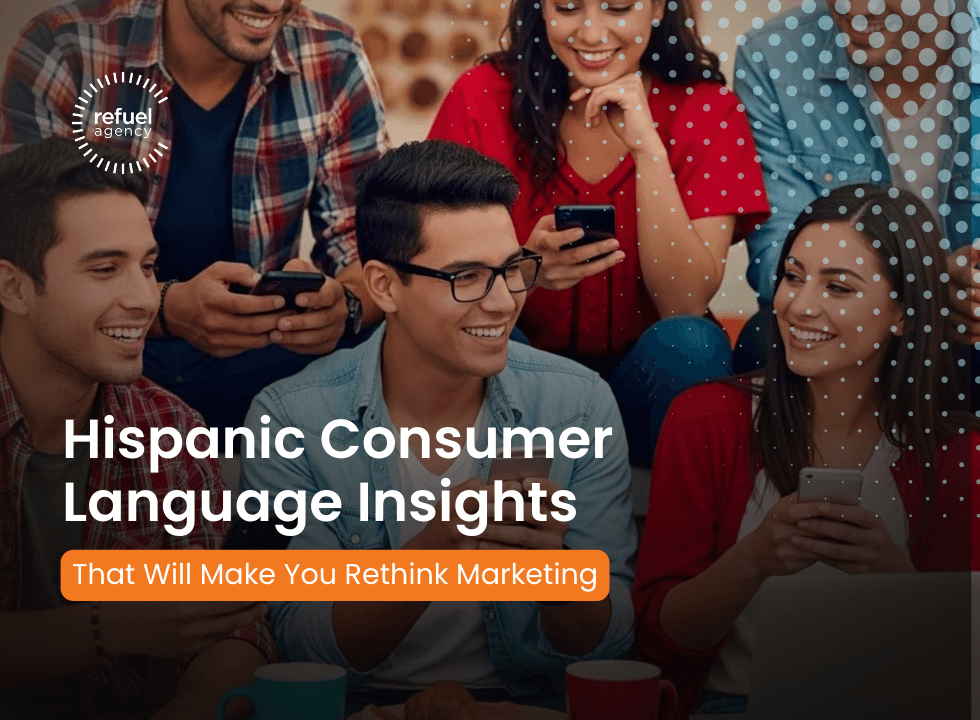
Language shapes how Hispanic consumers perceive brands, decide, and act: it signals identity, affects comprehension, and builds or erodes trust depending on authenticity. This article focuses on Hispanic Gen Z language behaviors—code-switching, Spanglish, dialect preference—and delivers practical bilingual Hispanic marketing tactics that improve engagement and conversion. You will learn concrete reasons why Spanish or bilingual messaging matters for different segments, how to operationalize transcreation over translation, and which channels favor mixed-language creative for Gen Z.
The problem many brands face is treating language as a binary choice instead of a layered signal; the solution here is actionable language segmentation, channel-tuned creatives, and testing frameworks designed for short-form creator-led formats. Below we unpack mechanisms of influence, five high-impact bilingual strategies, cultural relevance checklists, language nuance guidance with annotated examples, operational frameworks for authentic storytelling, and emerging trends specific to Hispanic Gen Z.
How Does Language Influence Hispanic Consumer Behavior?
Language functions as a cultural marker, a comprehension tool, and a trust signal for Hispanic consumers; it therefore materially affects emotional resonance and purchase behavior. When brands use language that aligns with a person’s identity and regional dialect, messaging becomes more meaningful and persuasive, which increases receptivity and conversion. Language clarity reduces friction in the customer journey and improves comprehension across creative, landing pages, and CTAs. Understanding these mechanisms helps marketers choose whether Spanish, English, or bilingual creative will best meet campaign objectives and audience expectations. Next we examine the specific role of Spanish within Hispanic marketing and when Spanish-first strategies outperform other approaches.
What Role Does Spanish Language Play in Hispanic Marketing?
Spanish-language marketing increases cultural affinity by directly addressing linguistic identity and often improves recall and emotional engagement for many segments. Spanish messaging performs best when the audience demonstrates Spanish dominance, strong cultural affinity, or when the message requires nuanced emotional expression that translates poorly from English. Dialect choice—Mexican, Caribbean, Central American—affects word choice and idioms; generic translations risk sounding inauthentic, so transcreation that adapts tone and local references delivers better results. Marketers should test formality (usted vs. tú) and regional phrasing through small pilot campaigns to validate resonance before scaling. These dialect and tone decisions set the stage for bilingual preferences among Hispanic Gen Z, who frequently blend languages.
The practice of code-switching and the use of Spanglish are significant aspects of Hispanic identity and communication, offering valuable opportunities for marketers.
Code-Switching and Spanglish: Marketing Strategies for Hispanic Identities
Code-switching is a prevalent practice among Hispanic bilinguals, particularly in the United States, often signifying comfort, in-group affiliation, or contextual awareness (Korzenny, 2025). Code-switching denotes the fluid alternation between two languages. While distinct from Spanglish, a cultural and linguistic phenomenon that integrates elements from two languages into a single form, both are significant in their relevance to bilingual individuals and Hispanic identities, as well as their utility as marketing tools (Dumitrescu, 2014). As the Hispanic consumer market expands in economic power, size, and influence, it is crucial for marketers to comprehend how language and its applications both reflect and shape Hispanic identity and behavior. The acknowledgment of code-switching enables marketers to engage with new and specific audiences intentionally and authentically through the development of culturally resonant and effective campaigns.
Language of the Heart: Code-Switching as Culture, Strategy, and Belonging
How Do Bilingual Preferences Affect Hispanic Gen Z Engagement?
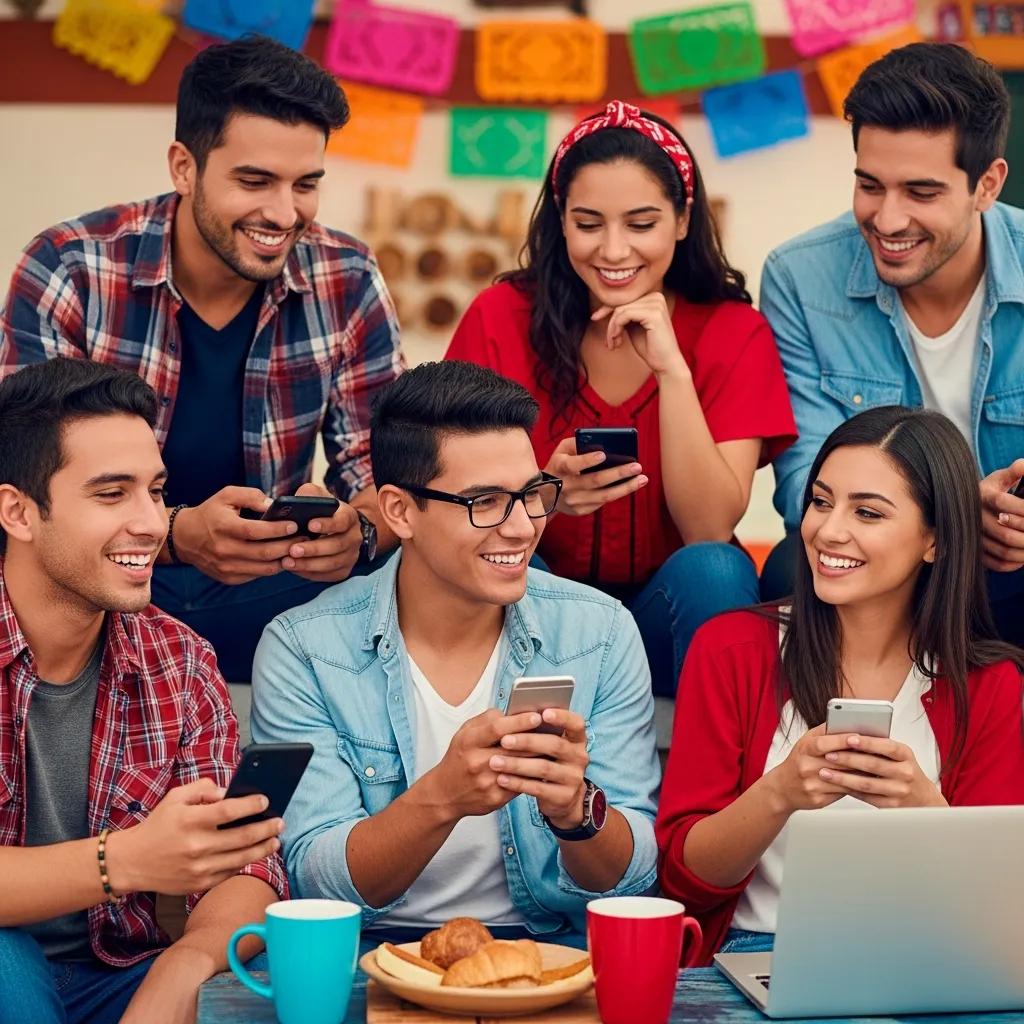
Hispanic Gen Z frequently code-switch and embrace Spanglish as a natural communicative practice, which creates opportunities for bilingual creative that signals cultural fluency and relatability. Mixed-language content often performs well on TikTok and Instagram Reels because it mirrors everyday speech and creator conventions; however, authenticity matters—forced or superficial bilingual lines can backfire. Testing frameworks should include variations: Spanish-first, English-first, and code-switched native scripts to measure CTR, watch time, and sentiment across platforms. This behavioral insight leads directly into tactical bilingual strategies marketers can deploy across audience segments and objectives.
What Are the Best Bilingual Marketing Strategies for Hispanic Consumers?

Bilingual Hispanic marketing succeeds when it treats language as a segmentation axis, not an on/off switch; strategies should align to business objective, audience acculturation, and channel norms. Effective approaches combine audience-level segmentation with transcreation, creator partnerships, and iterative creative testing. Transcreation preserves emotional intent while adapting idioms and tone, segmentation ensures the right language mix reaches the right users, and creator-led bilingual content supports authenticity on short-form platforms. Below are five high-impact strategies that map to objectives and audience segments.
Bilingual strategies that deliver measurable results:
- Audience language segmentation: Use survey and behavioral signals to segment Spanish-dominant, bilingual, and English-dominant groups for tailored messaging.
- Transcreation-first creative: Prioritize emotional fidelity over literal translation to preserve cultural meaning.
- Creator-led bilingual content: Partner with creators who naturally code-switch to increase trust and engagement with Gen Z.
- Channel-tuned language mixes: Tune language approach by platform—short-form favors code-switching, paid search favors language-targeted assets.
- Iterative A/B testing for dialect and tone: Test formal vs. informal registers and regional idioms to optimize CTR and sentiment.
These strategies are best compared in a practical table that links strategy to recommended use and measurable outcomes.
The following table compares bilingual strategies, when to use them, and example channels with KPIs:
| Strategy | When to Use / Audience Segment | Example Channel / KPI |
|---|---|---|
| Audience language segmentation | Spanish-dominant or recently arrived audiences | Paid social with Spanish creatives / CTR & CPA |
| Transcreation-first creative | Brand-building or emotional messaging for culturally rooted segments | Video ads & landing pages / View-through rate & conversion |
| Creator-led bilingual content | Hispanic Gen Z and culturally fluent bilingual audiences | TikTok/Instagram / Engagement rate & follower growth |
| Channel-tuned language mixes | Cross-channel campaigns needing consistency across paid and organic | Omni-channel / ROAS and conversion lift |
| Iterative dialect testing | Markets with mixed regional origin | Geo-targeted tests / Sentiment and CTR improvements |
This table clarifies which bilingual strategies align to segments and which KPIs to prioritize. Next, we offer brief agency-style operational examples showing how these strategies are executed for Gen Z campaigns.
For teams operationalizing these bilingual strategies, a marketing services firm can help translate insight into execution by designing creative tests, matching creators to language styles, and building localization workflows tailored to Gen Z. Practical services include building transcreation briefs, setting up A/B testing panoramas by dialect and tone, and constructing measurement plans that go beyond clicks to track sentiment and community growth. These capabilities are commonly offered by marketing services focused on bilingual Hispanic audiences and can be scoped to support rapid creator-led experiments aimed at Gen Z engagement.
Effectively reaching the Hispanic market on social media requires a nuanced understanding of bilingual brand communities and tailored strategies.
Bilingual Brand Communities: Targeting Hispanic Consumers on Social Media
Purpose: This paper aims to explore various strategies employed by brands to target the Hispanic market through social media, viewed through the lens of the Spanish language within a multicultural context such as the USA. Design/methodology/approach: This study utilizes a netnographic approach.
Bilingual brand communities? Strategies for targeting Hispanics on social media, DA Villegas, 2022
How Can Brands Balance English and Spanish Messaging Effectively?
Balancing English and Spanish starts with audience data and campaign objective: use separate language-targeted assets when maximizing conversion efficiency, and use bilingual or code-switched creative when the goal is cultural relevance or engagement. A decision framework helps: if conversion accuracy matters (e.g., search ads), serve single-language assets; if cultural resonance matters (brand lift, community building), employ mixed-language creative. Measure performance with distinct KPIs: CPA and ROAS for language-targeted assets, watch time and engagement for bilingual creative. Establish parallel campaigns for 4–8 weeks to gather statistically meaningful evidence before scaling. These operational rules guide language allocation across the marketing funnel and set up the next discussion on channel-specific tactics.
Which Channels Work Best for Bilingual Hispanic Audiences?
Channel selection must reflect language behavior: short-form social favors natural code-switching and Spanglish, search and display perform better with clear language targeting, and email often needs segmentation by declared language preference. Creative formats also matter—vertical video with bilingual captions resonates on TikTok, while Spanish-language landing pages improve conversion in paid search. A channel cheat-sheet helps asset planning and KPI alignment.
Intro to the channel table: The table below maps channels to language approach and practical tactics so marketers can pick the right format and measurement for bilingual audiences.
| Channel | Language Approach | Tactics & Best Practices |
|---|---|---|
| TikTok / Reels | Bilingual/code-switched native content | Use creator-led trends, captions in both languages, and measure watch time |
| Instagram Feed & Stories | Mixed-language captions with English CTAs | Test bilingual captions, local hashtags, and swipe-up localized landing pages |
| YouTube | Spanish-long form or bilingual subtitles | Use transcreated titles and thumbnails; track view-through and subscription growth |
| Paid Search | Separate language-targeted assets | Create Spanish-language landing pages and match keywords by dialect |
| Email / CRM | Segmented language sends | Respect declared preferences; personalize subject lines and CTAs by language |
This channel-by-channel perspective helps prioritize creative formats and measurement across platforms. Understanding channel norms naturally leads into why cultural relevance beyond language is essential for Latino audiences.
Why Is Culturally Relevant Advertising Crucial for Latino Audiences?
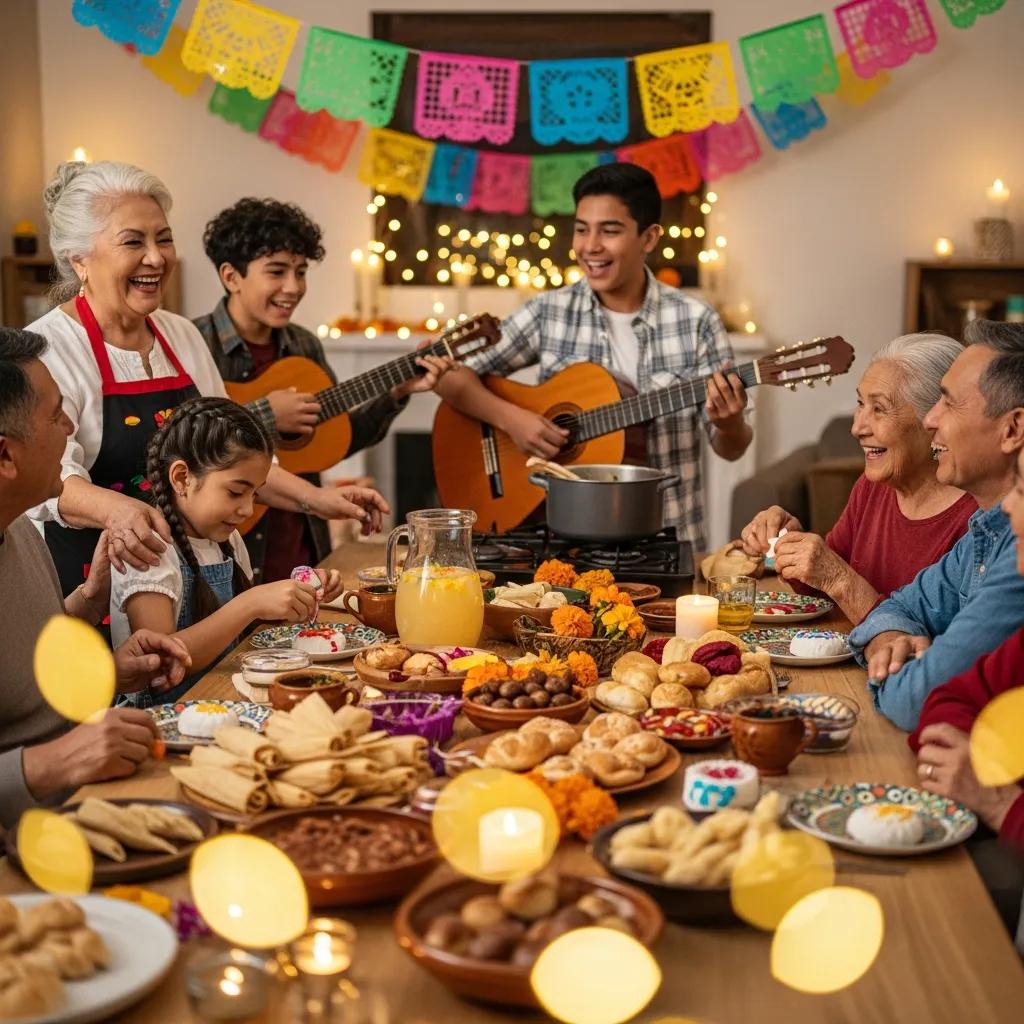
Cultural relevance matters because it signals respect, reduces misinterpretation, and strengthens long-term trust—factors that directly impact purchase consideration and advocacy. Representation that reflects lived experiences and authentic cultural markers improves brand credibility among Latino audiences. Cultural signals should be used thoughtfully: avoid clichés, validate references with community testing, and anchor creative in genuine narratives rather than surface-level cues. This discussion leads to how authenticity specifically impacts trust and long-term brand equity.
How Does Authenticity Impact Hispanic Consumer Trust?
Authenticity is judged by depth: consumers evaluate whether representation reflects real experiences and values or is a one-off marketing gesture. Long-term trust is built through sustained community engagement, creator partnerships, and consistent representation across touchpoints, not through isolated campaign stunts. Brands that co-create with community voices and creators who genuinely reflect bilingual practices earn higher sentiment and referral. Testing community response through small qualitative panels before large-scale rollout reduces risk and provides direction for broader storytelling.
What Cultural Elements Should Marketers Incorporate?
Effective cultural elements are specific and validated: family themes, music genres, holiday rituals, idiomatic expressions, and food references can all provide resonance when applied authentically. Use research methods—micro focus groups, creator workshops, and A/B tests—to confirm that imagery, music, and idioms land as intended with the target origin/dialect group. Do not overuse symbolic cues; instead, weave elements into meaningful narratives tied to product benefit.
Cultural elements checklist: This list outlines validated items to test with communities before scaling.
- Family and communal scenes: Highlight intergenerational dynamics where appropriate.
- Localized music and sound cues: Use regionally relevant genres to anchor setting.
- Idiomatic expressions and dialect: Test for comprehension and emotional resonance.
- Holiday and ritual references: Use sparingly and with cultural validation.
Applying these elements thoughtfully reduces the chance of tone-deaf executions and improves authenticity. With cultural elements validated, we can dive deeper into language nuance for Spanish-language creative.
What Insights Drive Successful Spanish Language Marketing Campaigns?
Successful Spanish-language campaigns hinge on linguistic nuance—formality, idiom selection, and dialect—and on choosing transcreation over literal translation to preserve emotional intent. Small differences in vocabulary or register can change perceived warmth, authority, or humor, which in turn affects engagement and conversion. Mapping specific insights to creative dos and don’ts helps writers and creative teams apply language correctly.
Intro to insights table: The table below maps language insights to nuance and sample creative actions to guide transcreation teams.
| Insight | Language Nuance | Creative Example / Dos & Don’ts |
|---|---|---|
| Formality choice | tú vs. usted impacts warmth | Use “tú” for Gen Z and informal contexts; avoid “usted” unless targeting older or formal segments |
| Regional idioms | Local phrasing can increase relatability | Do test idioms with the target origin; don’t assume pan-Latin idioms translate universally |
| Code-switching norms | Strategic English insertions can signal modern identity | Do use English terms that are culturally embedded; don’t insert English artificially in emotional appeals |
| Tone and humor | Humor styles vary by region | Do localize jokes with creator input; don’t use stereotypes as punchlines |
This mapping helps transcreation teams convert strategic insight into executable creative lines and measurable tests. Next we examine how subtle language nuances affect message reception in practice.
Transcreation is a vital practice in international marketing, going beyond simple translation to ensure cultural relevance and emotional resonance.
Transcreation in International Marketing: Beyond Translation
Transcreation, a practice that extends beyond traditional translation, is crucial for conveying messages and brand identities across diverse languages and cultures while preserving cultural relevance and emotional resonance. This work examines transcreation as a distinct and indispensable task within the broader domain of multilingual advertising.
More than just translating: the transcreation of advertising campaigns in international marketing
How Do Language Nuances Affect Message Reception?
Subtle shifts in vocabulary and register alter perceived credibility and relatability: a casual register may increase warmth among Gen Z but reduce perceived professionalism in high-stakes categories. Regional idioms can create resonance but risk misunderstanding if audiences are diverse; therefore, testing across origin segments is essential.
Marketers should run paired creative tests—literal translation vs. transcreation vs. code-switched creative—and measure engagement, CTR, and sentiment to determine which approach best aligns with objectives. These testing results inform the selection of annotated examples that demonstrate effective Spanish-language ads.
How Can Marketers Create Authentic Connections With Latino Audiences?
Authentic connections emerge from storytelling that centers lived experience, strategic creator partnerships, and measurement that values community growth and sentiment alongside conversions. A practical framework includes audience research, co-creation with community voices, iterative creative tests, and measurement that tracks both direct-response KPIs and qualitative indicators like sentiment and share of voice. This framework supports campaigns that are culturally grounded and scalable across markets. Below we explore the core values and the role of storytelling in fostering these connections.
When implementing storytelling and partnerships, marketing services teams often use frameworks that map values to narrative levers and creator types; these applied approaches help scale authentic outreach to Gen Z without losing local nuance.
What Are Key Values and Motivations Among Hispanic Consumers?
Core values—family, community, aspirational mobility, and cultural pride—inform how messaging should be framed across segments.
Map each value to tactical messaging: for family, use communal scenes and multi-generational dialogue; for aspiration, focus on mobility, education, and personal growth stories. Validating these mappings through small qualitative panels ensures narratives do not rely on assumptions and prepares creatives for broader testing.
How Does Storytelling Enhance Latino Audience Engagement?
Storytelling that centers relatable characters and cultural touchpoints builds emotional investment and increases shareability. Short-form micro-narratives—30–60 second creator-led vignettes—work well for Gen Z because they deliver quick emotional arcs while enabling code-switching and authentic language. Longer-form documentary-style content can deepen brand trust in upper-funnel efforts. Use templates: introduce a relatable protagonist, present a culturally grounded tension, and resolve with product benefit tied to communal values. These templates help creators produce authentic content at scale and segue into the latest trends shaping Hispanic Gen Z language use.
What Emerging Trends Should Marketers Know About Hispanic Gen Z?
Hispanic Gen Z is driving new language norms: increased code-switching, widespread acceptance of Spanglish, and platform-specific shorthand that blends English and Spanish. They prefer creator authenticity over polished brand messaging and favor short-form video formats for discovery and community building. Privacy and identity concerns also shape how they present themselves online and interact with brands, affecting how first-party data and consent-driven personalization should be used. These trends require marketers to pivot to rapid creative testing, creator matching by dialect and niche, and measurement frameworks that value engagement and community growth. Below are concise trends with tactical implications.
Key emerging trends and examples:
- Code-switching as identity: Use bilingual scripts that reflect everyday speech to increase relatability.
- Creator-first discovery: Partner with micro-creators who use Spanglish naturally to improve discovery and trust.
- Short-form video dominance: Prioritize vertical, captioned assets in mixed-language formats to capture attention.
These trend-driven tactics suggest specific experiments brands can run—creator-led bilingual challenges, dialect A/B tests, and short-form caption optimization—that feed back into broader bilingual strategies. A brief agency-style mention connects these trends to available Gen Z solutions.
Agencies focused on reaching Gen Z with culturally relevant bilingual campaigns typically offer services like creator matching by language style, rapid creative testing workflows, and localization pipelines that preserve voice while scaling. These applied solutions help brands operationalize code-switching experiments and measure impact on watch time, sentiment, and community growth without sacrificing cultural authenticity.
How Does Gen Z’s Language Use Differ From Older Generations?
Gen Z communicates more fluidly between languages, adopts platform-native shorthand, and accepts hybrid expressions like Spanglish as normative; older generations often prefer clearer single-language communication and more formal registers. This generational divide affects channel playbooks: Gen Z favors TikTok and Reels with mixed-language scripts, while older audiences may perform better with targeted Spanish or English assets on search and email. Understanding this differential supports segmentation and creative tailoring that avoids one-size-fits-all messaging.
What Marketing Tactics Resonate Most With Hispanic Gen Z?
Tactics that perform well include creator partnerships where creators naturally code-switch, short bilingual micro-narratives optimized for loop and share, interactive formats like polls and challenges, and testing dialect variations in creator content.
- Creator language test: Run identical briefs with creators who favor Spanish, English, and Spanglish.
- Dialect micro-test: Localize captions and one-liners to two regional dialects and compare engagement.
- Format swap: Compare polished bilingual ad vs. raw creator-made clip for watch time and shares.
These quick experiments produce the data necessary to refine bilingual Hispanic marketing approaches and close the gap between insight and impact.
Frequently Asked Questions
What are the key differences between bilingual and Spanish-first marketing strategies?
Bilingual marketing strategies incorporate both English and Spanish to engage diverse audiences, while Spanish-first strategies prioritize Spanish language to resonate with Spanish-dominant consumers. The choice between these approaches depends on audience segmentation, cultural affinity, and campaign objectives. Bilingual strategies often leverage code-switching and Spanglish to reflect the fluid language use of Hispanic Gen Z, whereas Spanish-first strategies focus on emotional depth and cultural relevance, particularly for audiences with strong ties to their linguistic heritage.
How can brands measure the effectiveness of their bilingual marketing campaigns?
Brands can measure the effectiveness of bilingual marketing campaigns through various key performance indicators (KPIs) tailored to their objectives. For engagement-focused campaigns, metrics like watch time, social shares, and sentiment analysis are crucial. For conversion-driven efforts, tracking cost per acquisition (CPA) and return on ad spend (ROAS) provides insights into financial performance. Additionally, conducting A/B tests on different language approaches can help identify which messaging resonates best with specific audience segments, allowing for data-driven adjustments to future campaigns.
What role do cultural elements play in engaging Hispanic Gen Z consumers?
Cultural elements are vital in engaging Hispanic Gen Z consumers as they enhance relatability and authenticity in marketing messages. Incorporating themes such as family dynamics, local music, and culturally significant holidays can create emotional connections. However, it’s essential to validate these elements through community testing to ensure they resonate positively. When done thoughtfully, these cultural references can significantly improve brand perception and loyalty among Hispanic audiences, making them feel seen and understood in marketing narratives.
How can brands effectively utilize social media to reach bilingual Hispanic audiences?
To effectively reach bilingual Hispanic audiences on social media, brands should tailor their content to reflect the language preferences and cultural nuances of their target segments. Utilizing platforms like TikTok and Instagram, where code-switching and Spanglish are common, can enhance relatability. Engaging with creators who naturally embody these language practices can also foster authenticity. Additionally, brands should employ mixed-language captions and localized hashtags to improve visibility and engagement, ensuring that their messaging aligns with the cultural context of their audience.
What are some common pitfalls to avoid in bilingual marketing?
Common pitfalls in bilingual marketing include relying on literal translations instead of transcreation, which can lead to messages that lack emotional resonance. Additionally, using generic or culturally insensitive imagery can alienate audiences. Brands should also avoid assuming that all bilingual consumers prefer the same language mix; audience segmentation is crucial. Lastly, failing to test and validate messaging with target communities can result in misinterpretations and missed opportunities for connection, ultimately undermining campaign effectiveness.
How does Gen Z's language use impact brand messaging strategies?
Gen Z’s fluid language use, characterized by code-switching and the acceptance of Spanglish, necessitates that brands adapt their messaging strategies to reflect these norms. This generation values authenticity and relatability, so brands should incorporate mixed-language content that mirrors everyday speech. Additionally, leveraging short-form video formats and engaging with creators who resonate with Gen Z can enhance brand visibility. Understanding these language dynamics allows marketers to create more effective campaigns that engage this demographic meaningfully and authentically.
Conclusion
Understanding the language preferences and cultural nuances of Hispanic Gen Z is essential for effective marketing strategies that resonate deeply with this audience. By leveraging bilingual content, transcreation, and authentic storytelling, brands can foster stronger connections and drive engagement. Implementing these insights will not only enhance brand loyalty but also improve overall campaign performance. Start exploring tailored marketing solutions today to elevate your outreach to bilingual Hispanic consumers.
