

Hispanic consumers projected to reach new heights aren’t just adding to the U.S. economy—they’re driving it. With buying power on track to surpass $3 trillion by 2026, this community is one of the most powerful and fastest-growing multicultural consumer segments in the market. Yet too many brands still fall back on surface-level translation or token gestures, overlooking the deeper cultural forces that shape how Hispanic families make decisions, spread influence, and adopt new technologies.
What’s overlooked is that Hispanic shoppers bring their own dynamics to the marketplace: multigenerational decision-making, cultural values that amplify word-of-mouth, and regional behaviors that challenge blanket strategies. Ignore these nuances, and your campaign risks being irrelevant—or worse, called out publicly.
This blog breaks down what most brands miss and what it really takes to connect with Hispanic consumers in 2025 and beyond.
TL;DR
Here’s what you need to know right now:
- Hispanic consumers aren’t just bigger numbers—they’re completely different shoppers that most brands totally misunderstand
- Fake cultural marketing gets spotted from miles away, and Hispanic consumers will roast your brand for it
- Family decisions happen across multiple households and generations, creating word-of-mouth opportunities that beat any ad campaign
- Where people live changes everything—a Hispanic family in Texas shops differently than one in New York
- Technology gets adopted when it brings families together, not when it isolates people
- Success means actually understanding culture, not just translating your ads
The Cultural Intelligence Gap That’s Costing Brands Millions
Most brands know Hispanic consumers represent a massive opportunity. What they miss is the how. Too often, campaigns lean on quick translations or generic “inclusive” messaging, and the result falls flat—or worse, alienates the very audience they’re trying to reach.
The stakes couldn’t be higher. If Hispanic consumers were their own state, they’d be bigger than California—and growing four times faster than the general population. Between 2010 and 2020, Hispanic population growth accounted for 51.1% of total U.S. growth, fueling a consumer base now projected to surpass $3 trillion in buying power.
But here’s the gap: winning this market isn’t about budget size. It’s about cultural intelligence—the ability to understand values, family dynamics, regional nuances, and lived experiences that shape real purchasing behavior. Brands that treat Hispanic consumers as a monolith are already behind.

Rethinking Cultural Adaptation in Marketing
Traditional market research often treats cultural adaptation as a straight line—immigrants arrive, gradually adopt “mainstream” habits, and eventually shop like everyone else. But that model doesn’t hold.
What’s happening instead is more complex: Hispanic families blend American and traditional culture at different speeds, while keeping cultural roots strong. Some households may adapt quickly in technology but hold firmly to traditional food habits. Others, here for generations, still make key decisions in ways rooted in heritage.
This is why static demographic data fails—culture is dynamic, layered, and deeply personal. Brands that rely on outdated linear models risk spending millions on campaigns that look strategic on paper but miss the reality of lived experience.
The Influence of Multigenerational Decision-Making
A critical dynamic many brands overlook is the role of second- and third-generation Hispanic consumers as cultural translators. These younger consumers don’t just purchase for themselves—they shape buying decisions across parents, grandparents, and extended family.
When a brand earns the trust of these cultural bridge-builders, the impact extends beyond one transaction. It influences household spending patterns and strengthens word-of-mouth across entire family networks. Campaigns that acknowledge this dual audience—speaking authentically to both first-generation parents and their American-born children—see deeper engagement and higher basket sizes.
Social Media Is Rewriting the Culture Playbook
Young Hispanic consumers are using Instagram and TikTok to create entirely new cultural expressions. They’re posting quinceañera videos with modern twists, sharing abuela’s recipes with contemporary presentation, and celebrating traditions in ways their parents never imagined.
This digital-first cultural mixing is creating opportunities for brands that know how to participate authentically. But here’s the catch—authenticity on social media is even harder to fake than in traditional advertising.
How Hispanic Culture Is Shaping the Mainstream
One of the most overlooked dynamics in U.S. marketing is the growing influence of Hispanic culture on mainstream trends. Food, music, fashion, and even brand values that resonate broadly often have roots in Hispanic communities.
Think about it: menu innovations, entertainment crossovers, and campaigns built around family connection aren’t simply general-market ideas—they’re reflections of cultural values that Hispanic consumers have embraced for generations.
The takeaway is clear: Hispanic consumers aren’t just adapting to American culture—they’re actively shaping it. For brands, that means cultural fluency isn’t a niche play. It’s a competitive advantage in staying ahead of where the mainstream is headed.
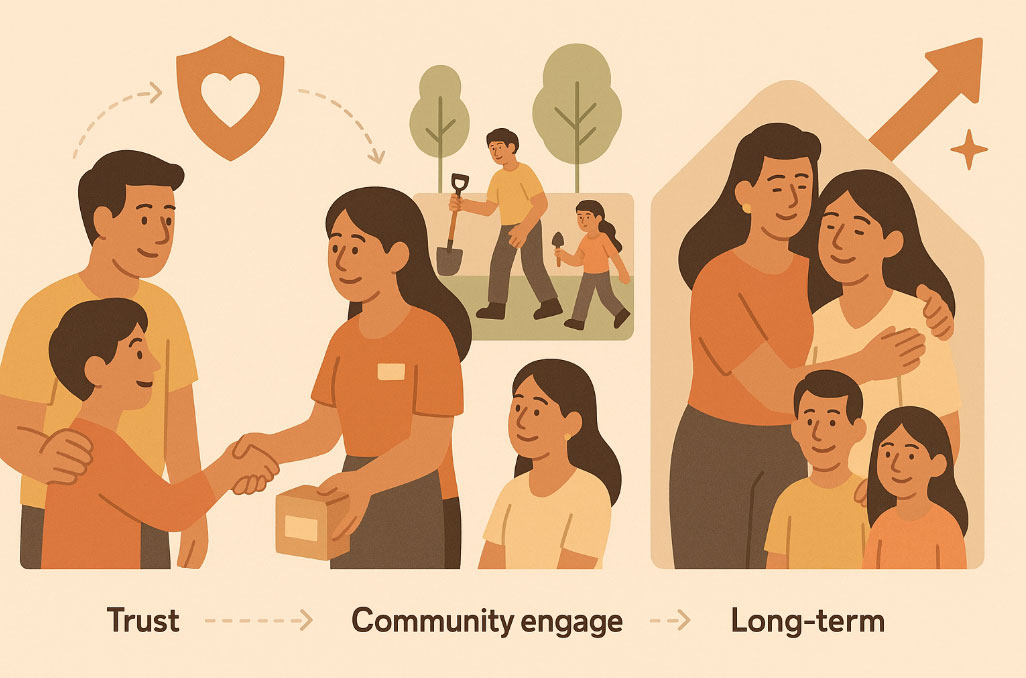
Why Trust Is the Cornerstone of Hispanic Marketing
Trust is the single most important factor shaping how Hispanic consumers shop. Recent research shows that 77% of U.S. Hispanics feel brands do not understand or resonate with their culture. That’s three out of four people who believe most campaigns miss the mark. But within that statistic lies opportunity: brands that earn trust can unlock disproportionate influence and loyalty.
The Power of Family and Community Networks
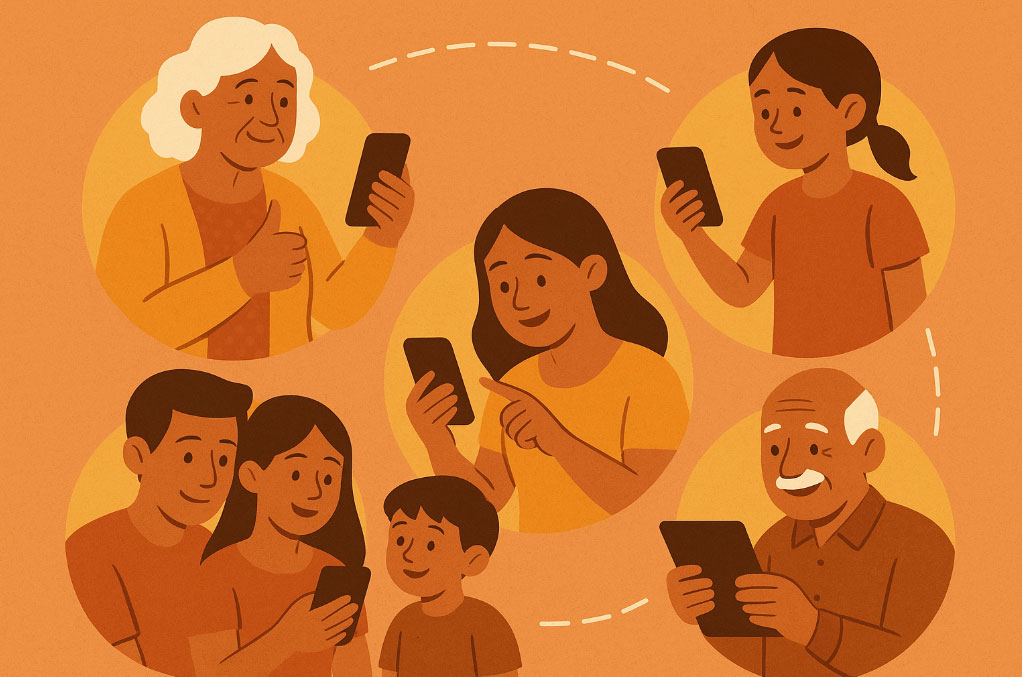
In Hispanic households, purchase decisions are rarely made in isolation. Extended family and community networks weigh heavily on big-ticket decisions, creating a multiplier effect that most brands underestimate.
When trust is established, one positive experience can cascade across dozens of households, amplifying reach without additional spend.
Authenticity as a Competitive Advantage
Hispanic consumers are highly attuned to whether marketing reflects genuine cultural understanding—or surface-level translation. Authenticity isn’t optional; it’s the cost of entry. Brands that invest in cultural fluency and long-term consistency build durable equity, while those that rely on shortcuts risk being dismissed as inauthentic. And once trust is broken, it takes years of sustained effort to rebuild.
The Economic Power of Hispanic Consumers
Standard buying power calculations only scratch the surface of Hispanic consumers’ true economic impact. Their financial ecosystems operate differently, creating opportunities that most traditional models underestimate.
In 2020, Hispanic buying power reached $1.9 trillion. By 2026, it’s projected to surpass $2.76 trillion—a figure larger than the GDP of many global economies. Yet even these numbers fail to capture the multiplier effect that comes from how financial decisions are made and shared across households.
The Multiplier Effect of Extended Families
Hispanic families often function as interconnected economic units across multiple households and generations. This means that one purchasing decision can ripple outward, influencing dozens of others. For brands, the implication is clear: winning trust with one consumer doesn’t just drive an individual sale—it can shape the long-term purchasing patterns of entire family networks, dramatically increasing lifetime customer value.
Why Traditional Market Research Falls Short
Too often, market research treats Hispanic consumers as a single, uniform group. In reality, cultural identity, shopping behaviors, and family structures vary dramatically between communities.
A Mexican-American family in Texas will not share the same cultural touchpoints as a Puerto Rican family in New York—yet both are often collapsed into the same category. The result is oversimplified strategies that fail to resonate with anyone.
Location Changes Everything
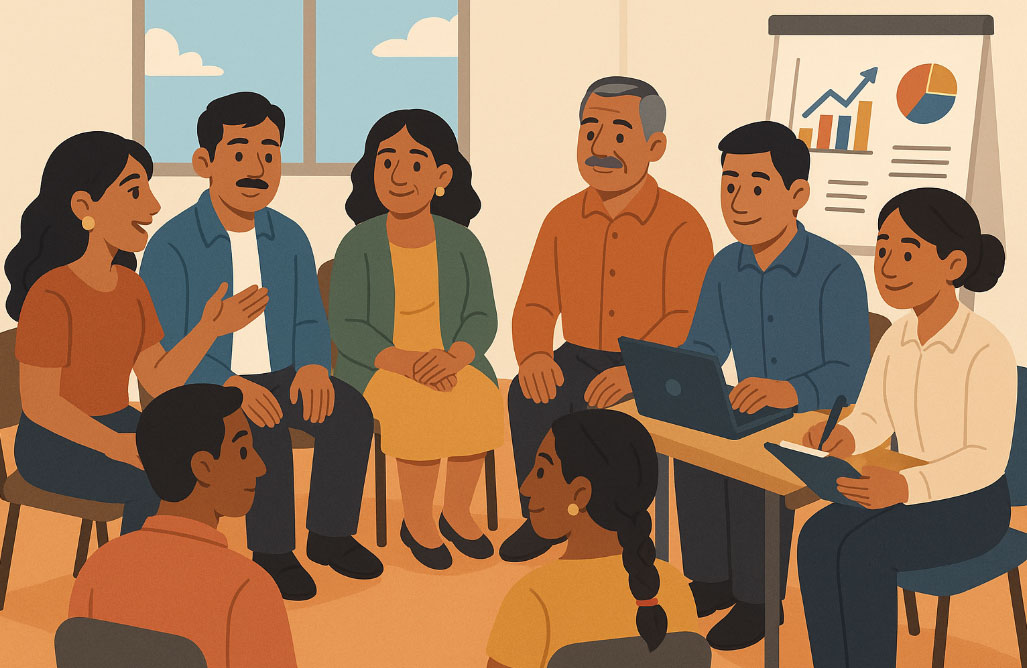
Where Hispanic consumers live profoundly shapes their purchasing patterns, brand perceptions, and values. Campaigns that succeed in Miami may miss the mark in Los Angeles because the cultural cues, community priorities, and family dynamics differ from one region to another. Regional nuance is not optional—it’s the difference between relevance and irrelevance.
Border State Consumers and Cross-Border Dynamics
In border states, Hispanic consumers often maintain closer ties to family and cultural traditions across Mexico. These connections influence everything from product preferences to communication choices.
For example, services that support cross-border travel or simplify international communication carry outsized value. To reach these audiences effectively, brands must move beyond generic messaging and design strategies that reflect these unique dynamics.
Success Creates Complex Identity Challenges
As Hispanic consumers advance professionally and economically, they face unique identity negotiations. Success does not signal a departure from cultural heritage—it amplifies the need to balance achievement with tradition.
This creates new demand for products and services that allow consumers to thrive in professional spaces while honoring cultural roots. From financial services that account for multigenerational obligations to lifestyle brands that reflect both heritage and ambition, the opportunity is clear: identity is not either/or, it is both/and.
Code-Switching as a Consumer Behavior Driver
Many upwardly mobile Hispanic consumers navigate multiple cultural contexts daily—switching between English and Spanish, corporate and familial roles, or modern and traditional styles. This cultural fluency fuels demand for brands that offer flexibility without forcing trade-offs. Products, services, and campaigns that work seamlessly across these dual contexts build loyalty by affirming both sides of identity.
Success Guilt and the Role of Brands as Bridges
Economic advancement often brings a complex emotional layer: success guilt. For many Hispanic professionals, distancing from traditional family patterns can feel at odds with cultural values.
Brands that recognize and support this tension—positioning their offerings as bridges that connect professional success with family and heritage—tap into a deeper level of trust and resonance. Luxury, financial, and lifestyle brands that frame products as tools for connection, not assimilation, are particularly well positioned.
The Trust Economy: How Hispanic Families Really Make Buying Decisions
Hispanic consumers often evaluate technology differently than mainstream audiences. Adoption isn’t driven solely by cutting-edge features or individual convenience—it’s about whether a product strengthens family and community connections. Brands that overlook this priority risk missing the heart of how purchasing decisions are made.
Family-First Technology Choices
Hispanic consumers gravitate toward technology that reinforces cultural relationships. That might mean preferring devices with strong international calling options over the newest upgrade, or favoring platforms that make it easy to share across generations.
These family-first priorities shape adoption patterns that many mainstream technology strategies fail to recognize.
Multigenerational Adoption Patterns
Technology decisions in Hispanic households are rarely individual. Younger generations often act as educators, introducing parents and grandparents to new platforms and ensuring accessibility across age groups. For brands, this creates a unique opportunity: design with multigenerational use in mind, and one purchase can scale across an entire extended family network.
When you make technology accessible across generations, you tap into the extended family networks that drive Hispanic purchasing decisions. Modern approaches to multicultural media planning must account for these multi-generational patterns to be effective.
Cultural Celebrations Drive Tech Adoption
Technology brands that succeed in this market ensure their products are inclusive and culturally fluent. Effective strategies include:
- Designing products that work seamlessly in multiple languages.
- Creating interfaces that are intuitive for both grandparents and grandchildren.
- Framing technology as a connector, not an isolator.
- Training customer service teams in cultural competence.
- Showcasing realistic family dynamics in marketing campaigns.
Language Is More Complex Than Spanish vs. English
For Hispanic consumers, language is not a binary choice—it’s a fluid cultural tool. Many seamlessly shift between Spanish, English, and Spanglish within the same conversation, guided less by audience and more by emotional context.
A story about family tradition might flow naturally in Spanish, while a workplace conversation may lean into English. This flexibility creates opportunities for brands to connect in more nuanced and meaningful ways than a simple translation strategy allows.
The Emotional Drivers of Language Choice
Language switching is often tied to emotional resonance rather than convenience. Spanish may carry deeper cultural meaning even for English-dominant consumers, while English may feel more natural for certain aspirations or experiences. Recognizing these emotional triggers allows brands to craft campaigns that feel both personal and culturally fluent.
The Economic Case for Cultural Communication
The stakes are high: Latino buying power is projected to reach $2.6 trillion by 2025—nearly 50% greater growth than that of white households since 2020. This economic momentum underscores the importance of moving beyond literal translation to strategies that respect the cultural and emotional drivers of communication.
Brands that understand when and why different languages resonate unlock marketing opportunities that competitors overlook.
Why Cultural Intelligence Must Evolve
Culture is not static. As Hispanic communities grow, new generations bring fresh expressions, values, and expectations that shift quickly. A strategy that feels relevant today can be outdated within just a few years. Brands that succeed build systems for cultural learning that adapt in real time, rather than relying on a single training or outdated research snapshot.
Moving Beyond Surveys and Focus Groups
Traditional research methods can surface surface-level insights, but they rarely capture the “why” behind Hispanic consumer behavior. Deeper intelligence comes from:
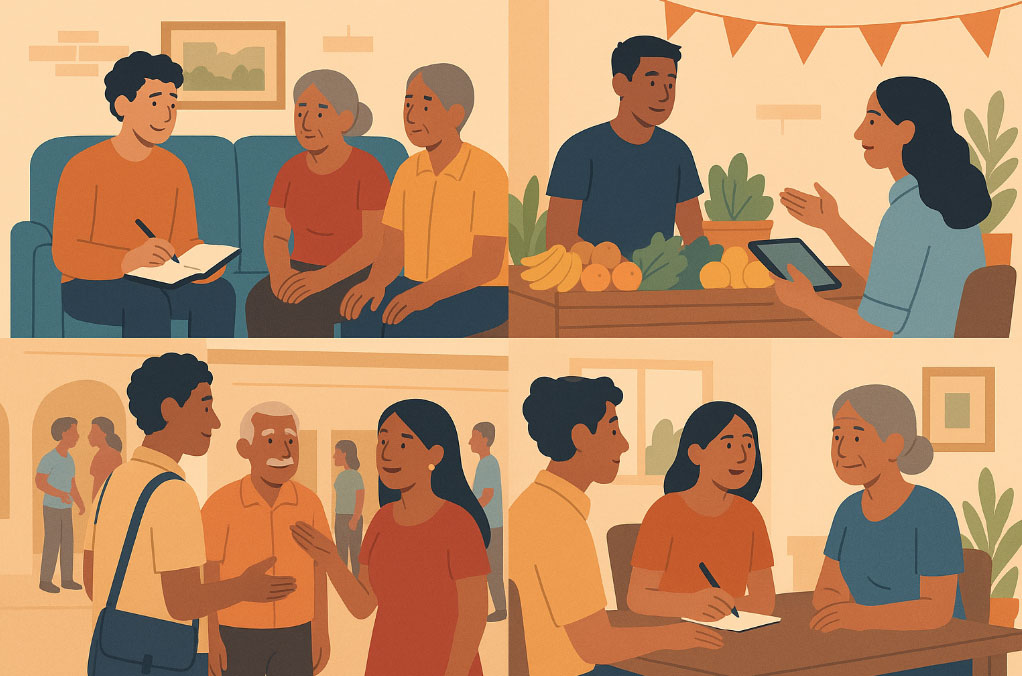
- Immersing in communities and cultural events.
- Building trust with local leaders and organizations.
- Observing real family dynamics during shopping, celebrations, and decision-making moments.
This kind of direct engagement reveals the nuances—like multigenerational purchasing or the role of cultural rituals—that data alone cannot provide. For brands, these insights become the foundation of strategies that feel both authentic and effective.
Rethinking Success Metrics for Hispanic Markets
Traditional KPIs—impressions, clicks, and short-term sales lifts—don’t capture the true drivers of loyalty among Hispanic consumers. Success in this market requires new measurement frameworks that account for cultural engagement, family dynamics, and community influence. Without them, brands risk undervaluing one of the fastest-growing consumer segments in the U.S.
The urgency is clear. Hispanics represent nearly 20% of local communities, yet many U.S. media companies still invest only superficially in this audience. As one industry analysis noted, “U.S. media companies, both national and local ones, are falling behind by not investing in the future” of Hispanic market opportunities.
Measuring Cultural Engagement
Cultural engagement scoring goes beyond transactions to evaluate how well a brand connects with Hispanic values and traditions. Metrics might include:
- Multi-generational customer adoption within households.
- Participation in cultural events or community initiatives.
- User-generated content celebrating heritage that features your brand.
These indicators reveal whether your brand is building meaningful cultural ties or simply chasing short-term gains.
Mapping Community Influence
Hispanic consumers often act as cultural multipliers, shaping purchasing decisions across extended family and community networks. Community influence mapping tracks how brand preference spreads within these networks, highlighting viral adoption patterns traditional customer lifetime value models miss.
By capturing these hidden multipliers, brands gain a truer picture of Hispanic market potential and can design strategies that amplify community-wide adoption.
Technology Meets Tradition in Unexpected Ways
The projected growth in Hispanic buying power creates cascading effects that extend far beyond direct consumer spending. These ripple effects influence entire industry sectors and create opportunities that traditional market analysis completely misses.
Hispanic consumers aren’t operating in isolation—their increased spending power creates waves throughout their communities and across industries that serve them.
Cross-Border Money Flow Changes Everything
Hispanic consumers’ financial obligations to extended family networks create unique spending patterns that traditional buying power calculations fail to capture. These cross-border financial relationships affect everything from financial services to luxury goods marketing.
The numbers are substantial: “remittance outflow from the US totaling $76.99 billion in 2022, with Mexico receiving 95.5% of the estimated $56.24 billion in remittance inflow”. This creates enormous potential for financial services companies that understand these complex relationships.
Dual-Market Purchase Decisions
Hispanic consumers’ remittance behaviors create dual-market purchasing decisions, where U.S. buying choices are influenced by family needs in origin countries. This creates opportunities for brands that understand these complex financial relationships and can position their products within this broader economic context.
I’ve worked with brands that successfully positioned their products as investments that benefit both U.S.-based Hispanic consumers and their extended families abroad, creating emotional connections that transcend traditional product benefits.

The Hispanic Business Boom Creates B2B Opportunities
As Hispanic buying power increases, it fuels corresponding growth in Hispanic-owned businesses, creating new B2B marketing opportunities that mainstream projections often overlook. This entrepreneurial ecosystem expansion means Hispanic market growth creates opportunities beyond consumer marketing.
Home Depot figured this out with their “Programa de Contratistas Hispanos.” They created specialized programs for Hispanic contractors and small business owners with bilingual training, business development resources, and preferential pricing. Result? Higher B2B customer retention and increased average transaction values.
Cultural Business Networks Matter in B2B Too
Hispanic entrepreneurs often prioritize working with vendors and partners who demonstrate cultural understanding. This creates opportunities for brands that position themselves as culturally-intelligent business partners rather than just consumer-focused companies.
Business-to-business relationships within Hispanic communities often mirror the trust-based patterns we see in consumer markets, where cultural authenticity and community investment matter as much as product quality and pricing.
Community Investment Creates Partnership Opportunities
Successful Hispanic business owners frequently reinvest in their local communities, creating marketing opportunities for brands that support community development initiatives and demonstrate long-term commitment to Hispanic neighborhoods.
These community investment patterns create partnership opportunities for brands willing to think beyond traditional sponsorship approaches and engage in meaningful community development.
Understanding the complexity of Hispanic consumer engagement can feel overwhelming, especially when you’re trying to balance cultural authenticity with scalable marketing strategies. This is where Refuel’s specialized approach becomes invaluable for brands serious about capturing this massive market opportunity.
Refuel Agency’s Hispanic Explorer™ research study provides the cultural insights that traditional market research misses, revealing the nuanced behavioral patterns and trust-building preferences that drive real purchasing decisions. Combined with their AI-powered cultural intelligence platform, Refuel Agency can help you identify and target the specific cultural micro-segments that matter most for your brand.
Final Thoughts
Hispanic consumers projected to reach unprecedented buying power represent more than bigger numbers—they represent a fundamental shift in how successful brands need to think about marketing. The brands that will capture this opportunity aren’t necessarily the ones with the biggest budgets, but the ones that develop genuine cultural intelligence and build authentic relationships within Hispanic communities.
Look, I get it. The cultural complexity I’ve outlined here might seem overwhelming. But it’s also what makes this market so valuable. Hispanic consumers reward brands that demonstrate genuine cultural understanding with loyalty that extends across generations and throughout extended family networks. That kind of relationship-based marketing creates sustainable competitive advantages that are difficult for competitors to replicate.
The key is starting with authentic cultural curiosity rather than demographic targeting. When you approach Hispanic consumers as complex cultural communities rather than statistical segments, you unlock marketing opportunities that most brands never discover. The investment in cultural intelligence pays dividends not just in market share, but in building the kind of brand relationships that drive long-term business success.
Ready to transform your Hispanic marketing approach from demographic guesswork to cultural intelligence? Contact Refuel today to discover how their multicultural marketing expertise can help your brand build authentic relationships with Hispanic consumers.
FAQs
Why are Hispanic consumers such an important market right now?
Hispanic consumers are projected to surpass $3 trillion in buying power, making them one of the fastest-growing and most influential consumer groups in the U.S. Between 2010 and 2020, they drove 51.1% of total U.S. population growth, and their economic impact continues to accelerate across industries.
Isn’t marketing in Spanish enough?
No. Language alone doesn’t equal cultural connection. While Spanish is important, many consumers are bilingual or switch languages depending on emotional context. Cultural values, multigenerational decision-making, and regional nuance matter just as much—if not more—than translation.
How do Hispanic consumers make buying decisions differently?
Family and community networks play a much larger role. A single purchase decision often influences entire households or extended families. Younger generations frequently act as cultural and technological translators, shaping adoption patterns across age groups.
What role does geography play?
Location is a major factor. A Mexican-American family in Texas may have different shopping habits than a Puerto Rican family in New York or a Cuban family in Miami. Border-state consumers also maintain unique cross-border dynamics that affect product and service choices.
What industries are most impacted by Hispanic buying power?
Every sector feels the impact, but especially:
- Food & Beverage: Cultural traditions influence mainstream tastes.
- Technology: Adoption patterns prioritize family connectivity.
- Financial Services: Cross-border remittances and multigenerational planning create unique needs.
- Retail & Lifestyle: Identity, tradition, and professional success shape purchasing priorities.
- B2B: Growth in Hispanic-owned businesses creates new partnership opportunities.
What metrics should brands use to measure success?
Traditional KPIs don’t capture the full picture. Forward-thinking brands track:
- Cultural engagement (event participation, multigenerational adoption).
- Community influence (how preference spreads across networks).
- Authenticity indicators (UGC celebrating heritage, cultural trust scores).
What’s the biggest mistake brands make in this market?
Treating Hispanic consumers as a monolith. Oversimplified strategies—like assuming one message works across all subgroups—lead to missed opportunities and wasted spend. The most successful brands invest in ongoing cultural intelligence, not one-time translation efforts.
